November 2, 2026 · 1 min read
What actually happens in an in-home assessment
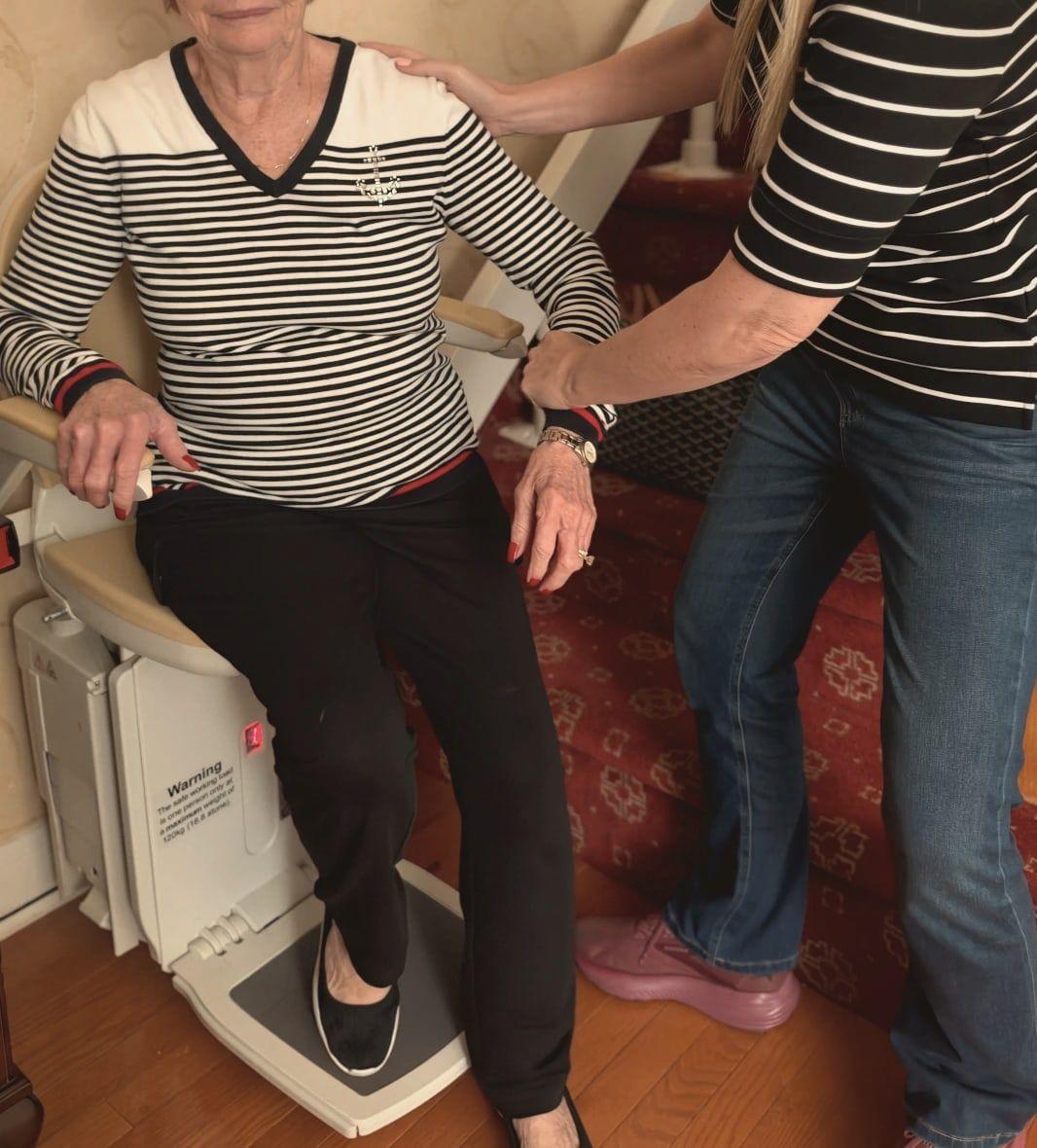
The comprehensive in-home assessment is where most families start with us. Here's what it involves, step by step.
Before the visit
We'll talk with you by phone to understand the situation, who's involved, and what's worrying you most. If there are recent hospital records or a medication list, it helps to have them handy.
During the visit
The visit usually takes about two hours. We spend time with your parent in their own space and look at several things:
- Daily function: bathing, dressing, meals, medications, mobility, and how each of these is actually going.
- The home itself: stairs, lighting, bathroom safety, trip hazards, and whether the layout still works.
- Support network: who visits, who helps, and where the gaps are.
- Mood and memory: a conversational check-in, never a test.
- Preferences: what your parent wants, which matters as much as what they need.
After the visit
Within a week you'll receive a written care plan: what we found, what we recommend, and in what order. It's designed to be shared with siblings and other professionals.
Many families use the plan on their own. Others ask us to carry it out through ongoing care management. Either way, you'll leave with a clear picture and a path forward.